Dreaming the Future: Meet the Winning Team of Honda R&D Dream Driven Design Workshop.
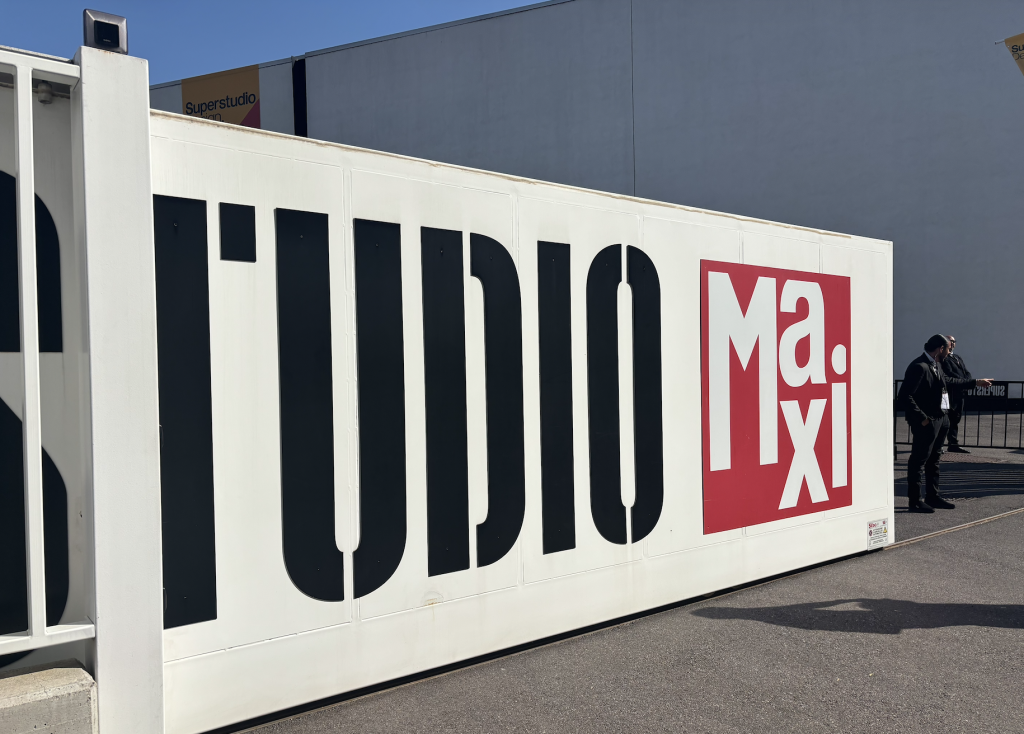
During Milan Design Week 2025, against the dynamic backdrop of Superstudio Maxi at Salone del Mobile, Honda R&D brought together emerging design talent from leading international schools for the Dream Driven Design Workshop—an immersive experience challenging students to imagine new futures for mobility through creativity, technology, and human-centered thinking.
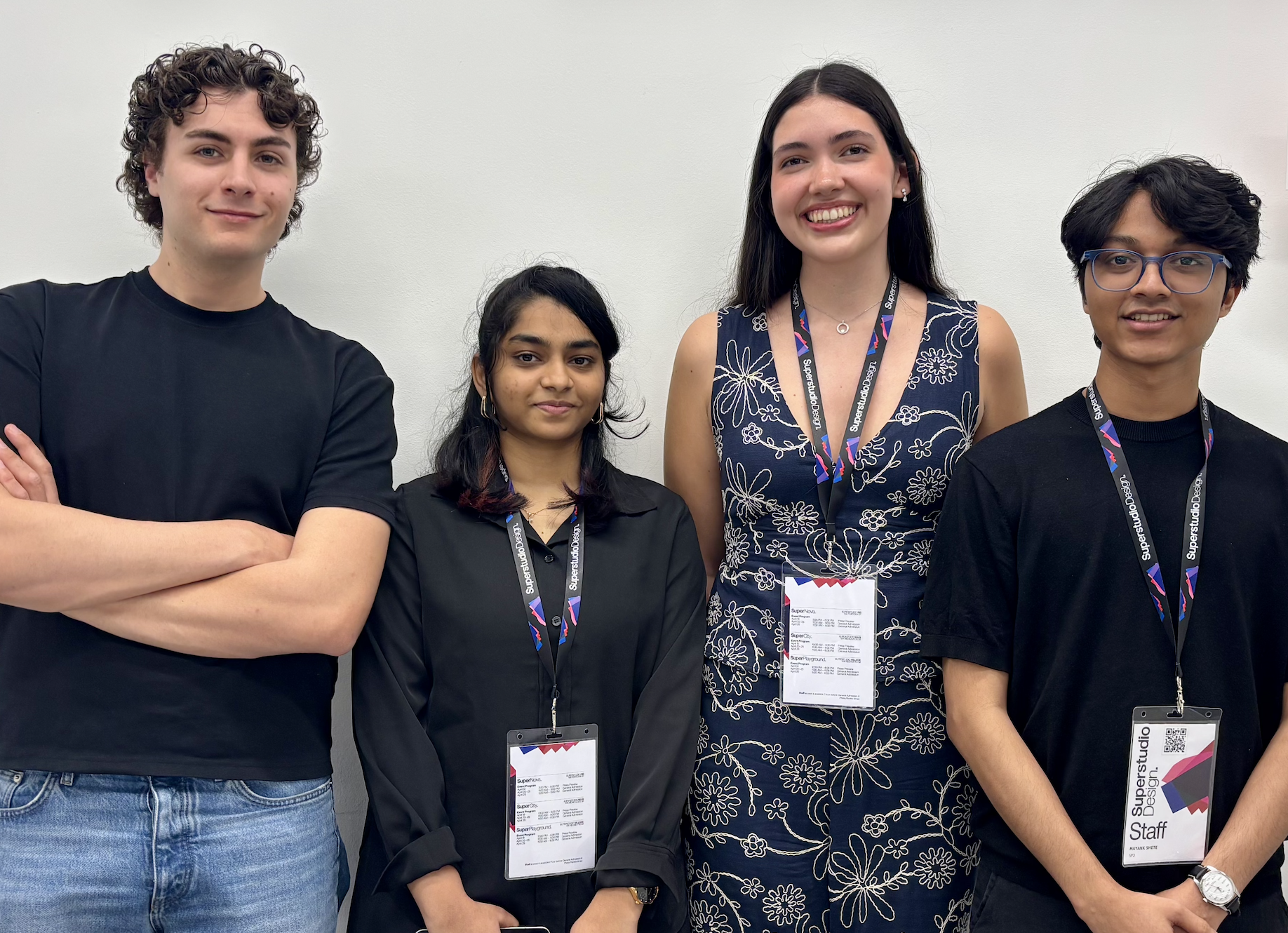
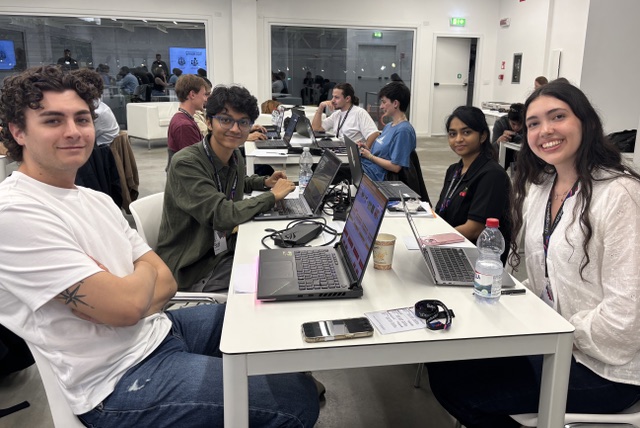
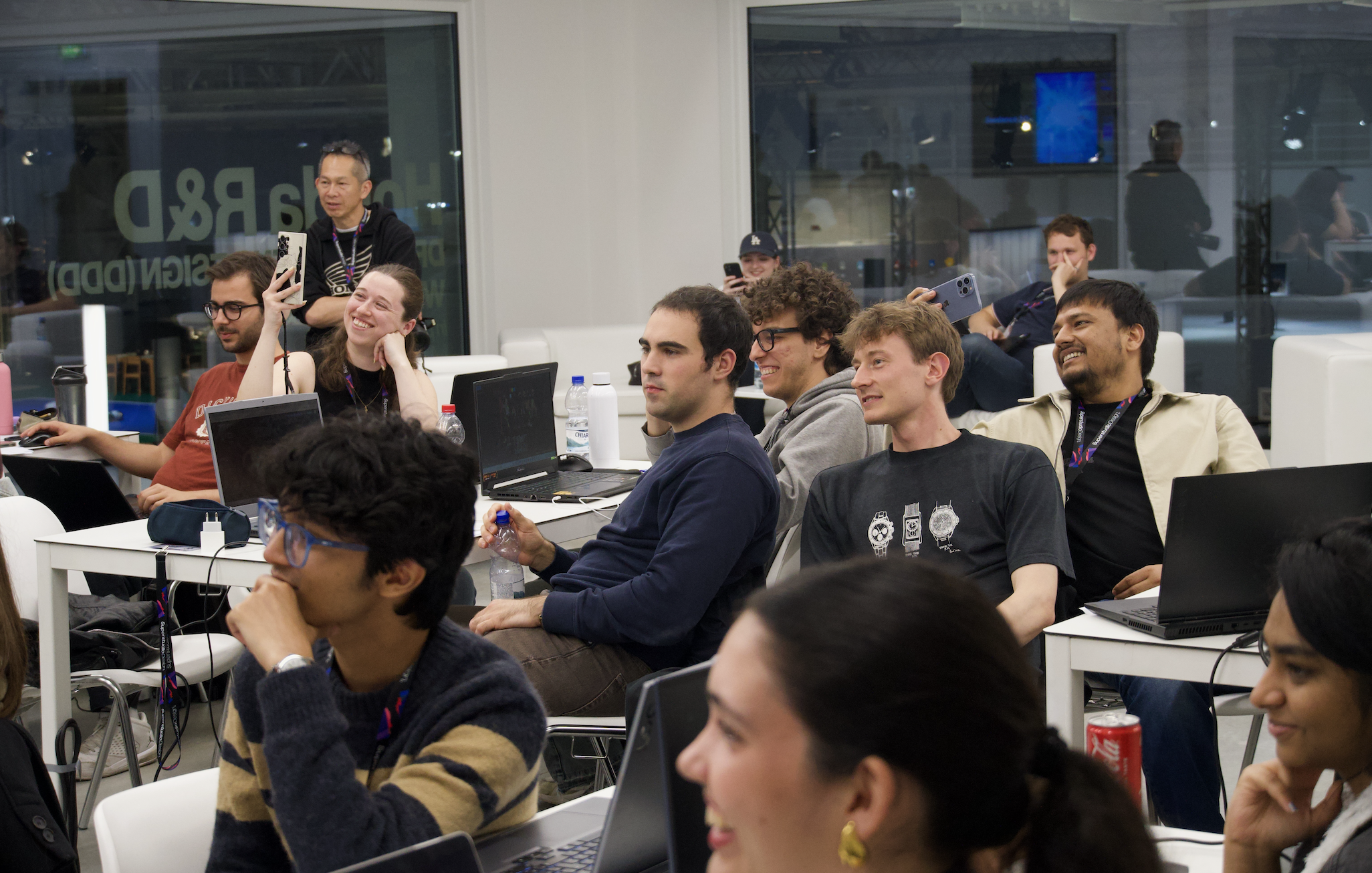
Over several intense days of collaboration, participants from different disciplines, cultures, and design backgrounds worked side by side to transform ambitious ideas into visionary concepts. Guided by Honda’s philosophy of pursuing dreams as a catalyst for innovation, the workshop encouraged students to move beyond conventional design briefs and explore how mobility can shape more meaningful, sustainable, and connected futures.
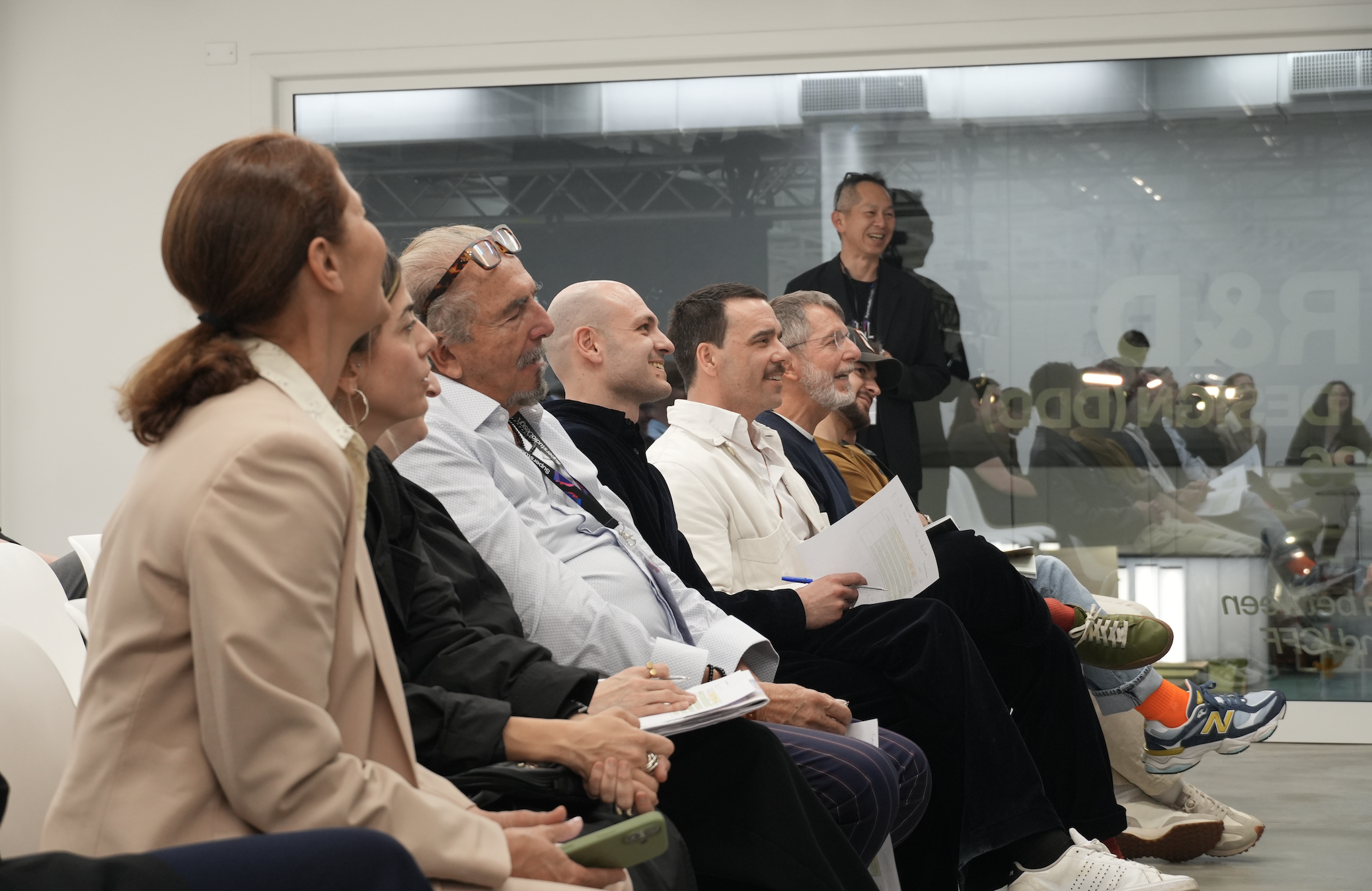
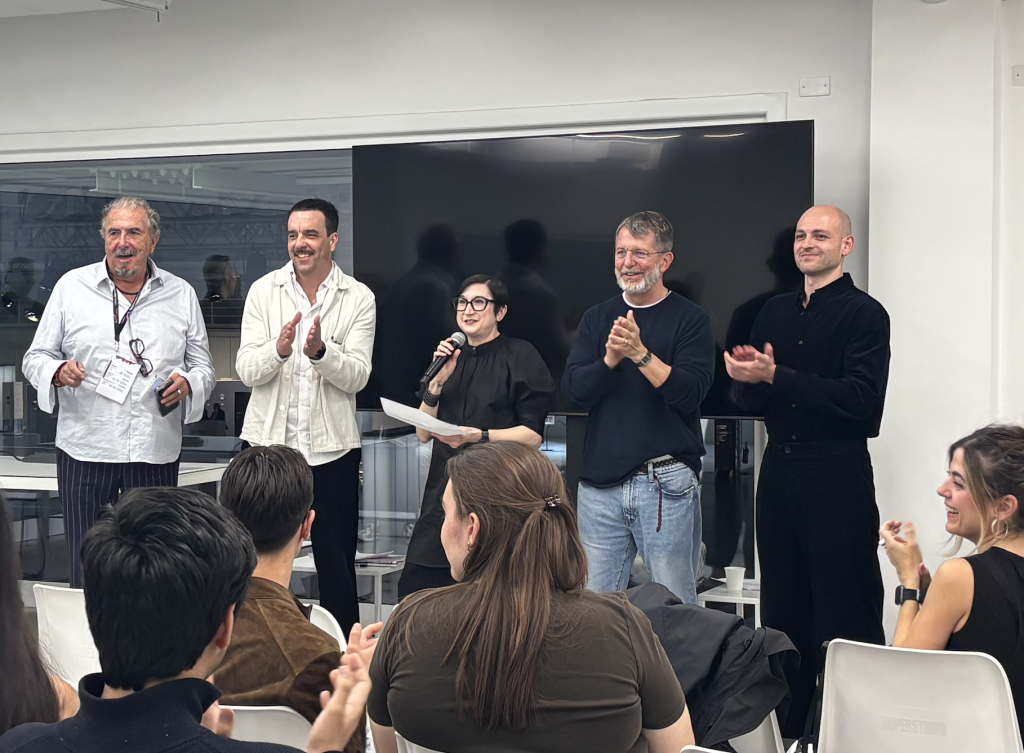
Among the many inspiring proposals developed during the workshop, one project stood out. Selected by the jury as the Best Winning Team, the concept impressed evaluators with its bold vision, compelling storytelling, and ability to unite diverse perspectives into a coherent and emotionally engaging future scenario.
The success of the team reflected one of the workshop’s defining strengths: collaboration. As Claudio Turriziani, Product Manager at NID – Nuovo Istituto Design, noted, initiatives like this create valuable connections between education and industry while giving students the opportunity to tackle challenges at an international level and accelerate their professional growth. Likewise, Claudio Fassini, Transportation & Car Design Area Leader at SPD – Scuola Politecnica di Design, highlighted the importance of bringing together participants from different cultural and educational backgrounds, creating an environment where new perspectives, methodologies, and creative approaches can flourish.
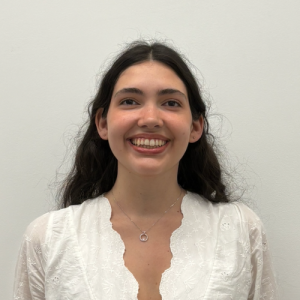
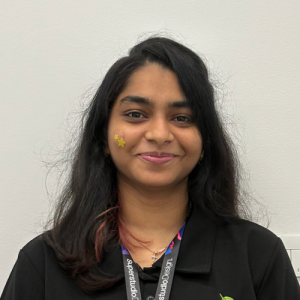
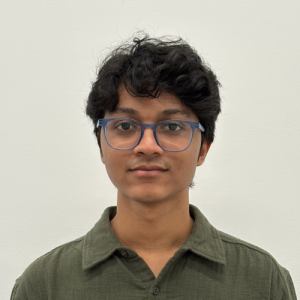
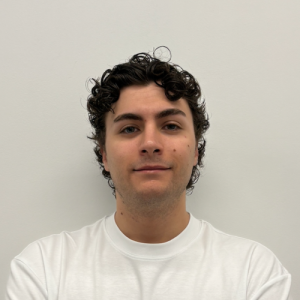
In the following interviews, team members Cristina Mata Forner – Istituto Europeo di Design (IED), Abisha Sara Seelan – (POLI.design), Alessandro Siena – Nuovo Istituto Design (NID) , and Mayank Shrikant Shete – Scuola Politecnica di Design (SPD), reflect on their journey through the workshop—from their first expectations and creative challenges to the role of storytelling, teamwork, and innovation in shaping their award-winning concept. Together, their experiences offer a glimpse into the next generation of designers and the dreams that are already influencing the future of mobility.
What were your expectations when you first decided to participate in the workshop and what attracted you most to the idea of a “Dream Driven Design” workshop?
Cristina Mata Forner: I did not go into the workshop with very specific expectations, but the concept immediately interested me because it aligns closely with the direction I am considering for my future. I saw it as a valuable first experience and an opportunity to explore what working in dream-driven mobility design could feel like.
Abisha Sara: I joined the workshop expecting to explore creative and future-focused mobility ideas while learning from industry professionals. What attracted me most to “Dream Driven Design” was Honda’s focus on students and future designers, encouraging us to think beyond limitations and create designs driven by imagination, emotion, and innovation.
Mayank Shrikant Shete: Honestly, when I first heard the name “Dream Driven Design,” I was a little sceptical. It sounded almost too idealistic. But that curiosity is exactly what drew me in. I wanted to understand what it truly meant to design around a dream rather than a brief. By the end of the workshop, I can confidently say it exceeded every expectation I had — both in terms of what I learned and how I learned it.
Alessandro Siena: The expectations were to work with a very important company like Honda and have the opportunity to collaborate with new people from all over the world.
How would you describe the experience of collaborating as a team throughout the process?
Cristina Mata Forner: I am really glad I was able to collaborate with my teammates, I learned different approaches and points of views that were critical to how our project turned out. We started with very different ideas, but we were able to combine them into one coherent concept, and I am happy that the judges recognized that collaborative process in the final result.
Abisha Sara: It was a really fun and refreshing experience collaborating with people from different universities and backgrounds. Everyone brought unique ideas and perspectives, and it made the whole process more creative, exciting, and enjoyable as a team.
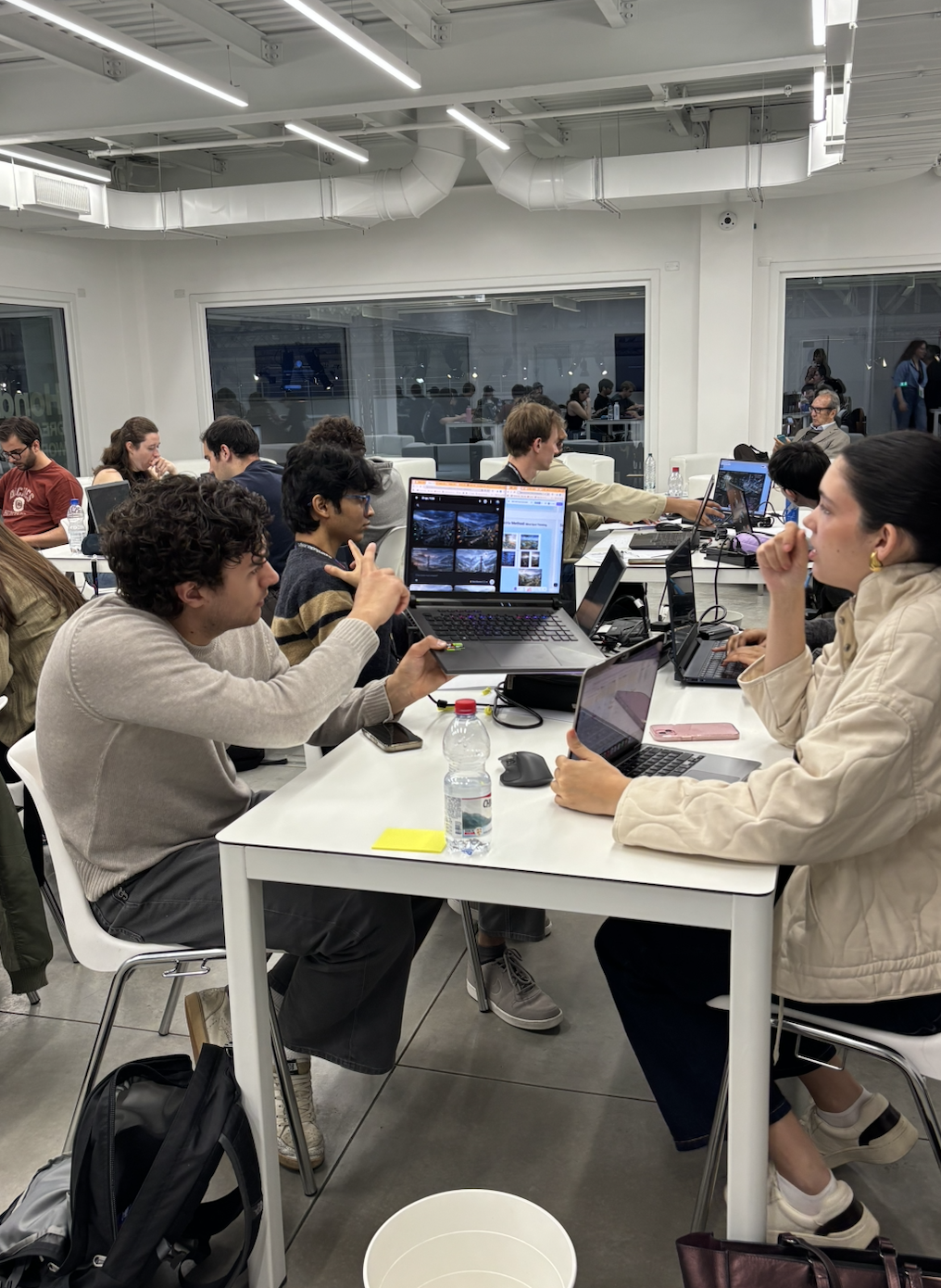
Mayank Shrikant Shete: The collaboration was, in one word, electric. It was beautifully unhinged at times — ideas were overlapping, building on each other, evolving in real time. There was a genuine sense of creative synergy within the team. We weren’t just combining our individual skills; we were genuinely co-creating something none of us could have arrived at alone. That kind of dynamic is rare, and I deeply appreciated it.
Alessandro Siena: Very positive team experience, the other guys did a lot and worked really well.
What was the biggest challenge your group faced while developing your concept?
Cristina Mata: One of the biggest challenges was that our group developed a clear vision quite early in the process. Because of that, we sometimes felt unsure about how to continue progressing while staying aligned with the workshop structure and timeline
Abisha Sara: Connecting all the stories and ideas to make one big picture!
Mayank Shrikant Shente: The biggest challenge was keeping pace with rapidly evolving generative AI tools throughout the process. These technologies were moving fast, and integrating them meaningfully into our workflow — without losing the design intent — required constant adaptation. But that challenge ultimately became one of our strengths: we learned not just to keep up, but to excel beyond the other teams by using these tools with intention and precision.
Alessandro Siena: The biggest challenge was bringing the idea we had to life, managing to transfer the ideas into something concrete.
How did working with Honda influence your approach to design and innovation?
Cristina Mata: It’s actually changed my approach to design because I liked how they value the importance of a dream because in a sense I think we are only as capable as our imagination is and Honda really respects that in their philosophy
Abisha Sara: Working with Honda made the whole design process feel fun, exciting, and inspiring. It encouraged me to think more creatively, explore new ideas confidently, and approach innovation in a more open-minded way
Mayank Shrikant Shente: Working with Honda, and specifically having the privilege of learning from Daisuke Sawai, fundamentally shifted my perspective. It was a masterclass in how the best in the industry think — not just about aesthetics or engineering, but about the relationship between people, movement, and the future. It raised my bar for what rigorous, purposeful design actually looks like
Alessandro Siena: The approach with Honda was fundamental because it gave us the opportunity to see the conceptual design and dreams differently and helped us make sense of them.
Did the experience change the way you think about the relationship between mobility, technology, and design?
Cristina Mata: Yes, definitely. Before the workshop, I saw mobility, technology, and design as fairly separate fields. Through this experience, I’ve realized that they actually go hand in hand with one another.
Abisha Sara: Yes, the experience changed the way I see the connection between mobility, technology, and design. It showed me how all three work together to create meaningful user experiences, and how design can make technology feel more human, engaging, and future focused.
Mayank Shrikant Shete: Absolutely. The workshop reinforced for me that mobility is not just about getting from A to B — it’s deeply intertwined with how we inhabit space, consume resources, and build communities. Technology is the enabler, but design is what gives it meaning and human relevance. I now think about these three elements as inseparable.
Alessandro Siena: Yes, the whole project made me think that in the future we will probably have completely different ways of moving than modern ones.
What aspect of your team project are you personally most proud of?
Cristina Mata Forner: I am most proud of our teamwork. Together, we managed to achieve everything we envisioned for the project while allowing each team member to leave their own mark on it. I am also proud of how clearly we communicated our concept and story through the final presentation.
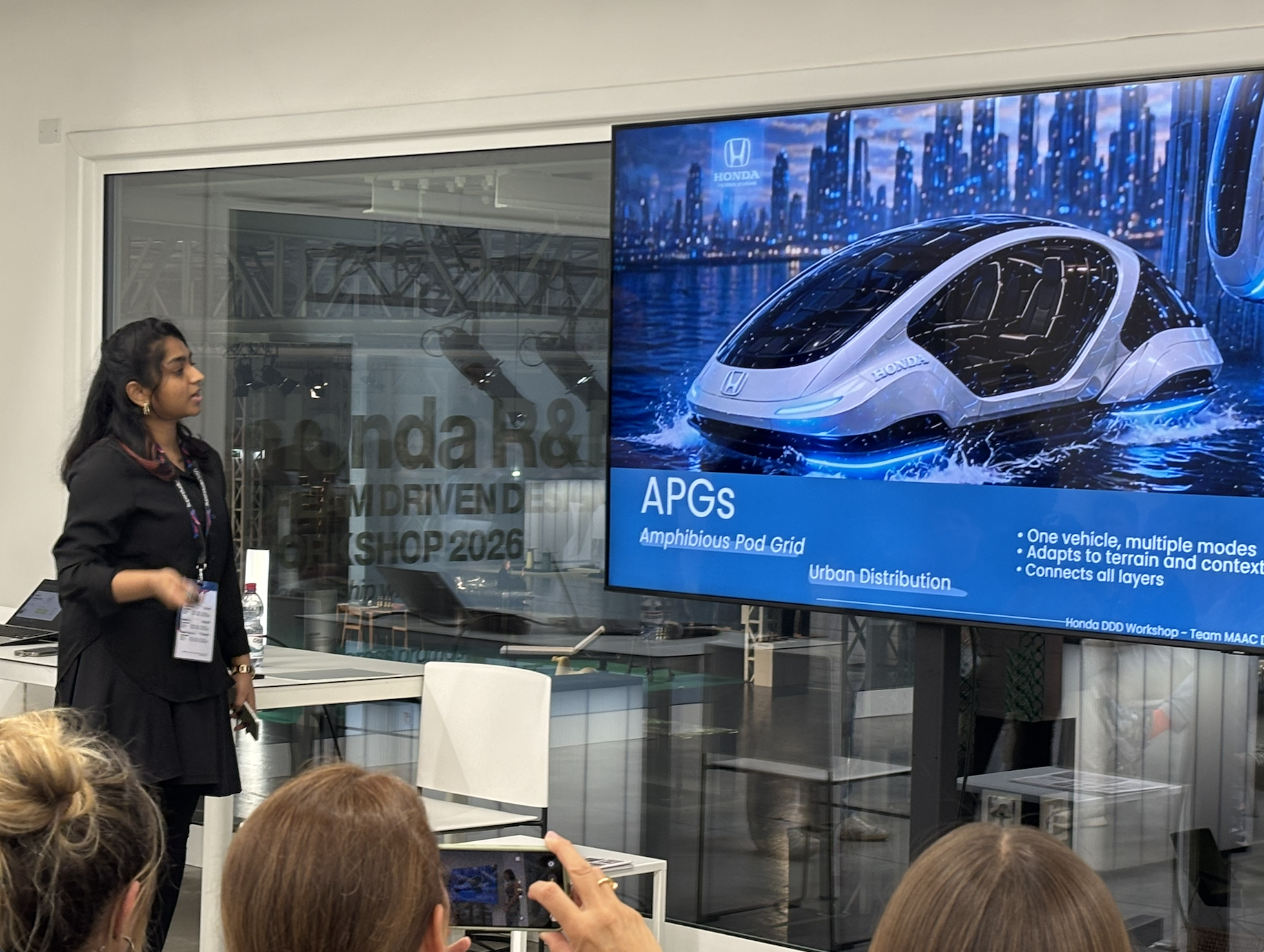
Abisha Sara: I’m most proud of contributing to the mobility solution ideas in our project and creating the video content for the final presentation, which helped bring our concept and story to life in an engaging way.
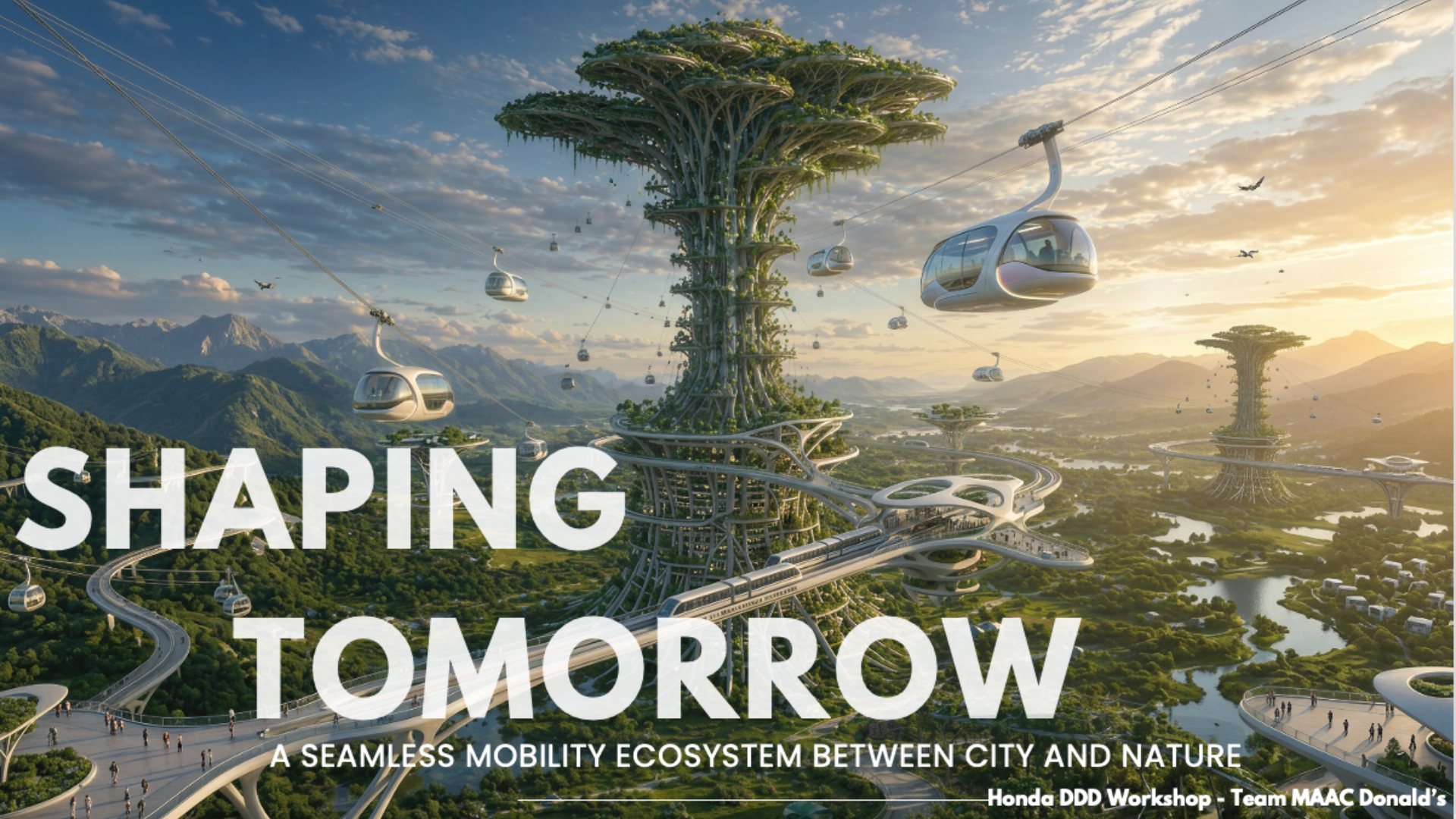
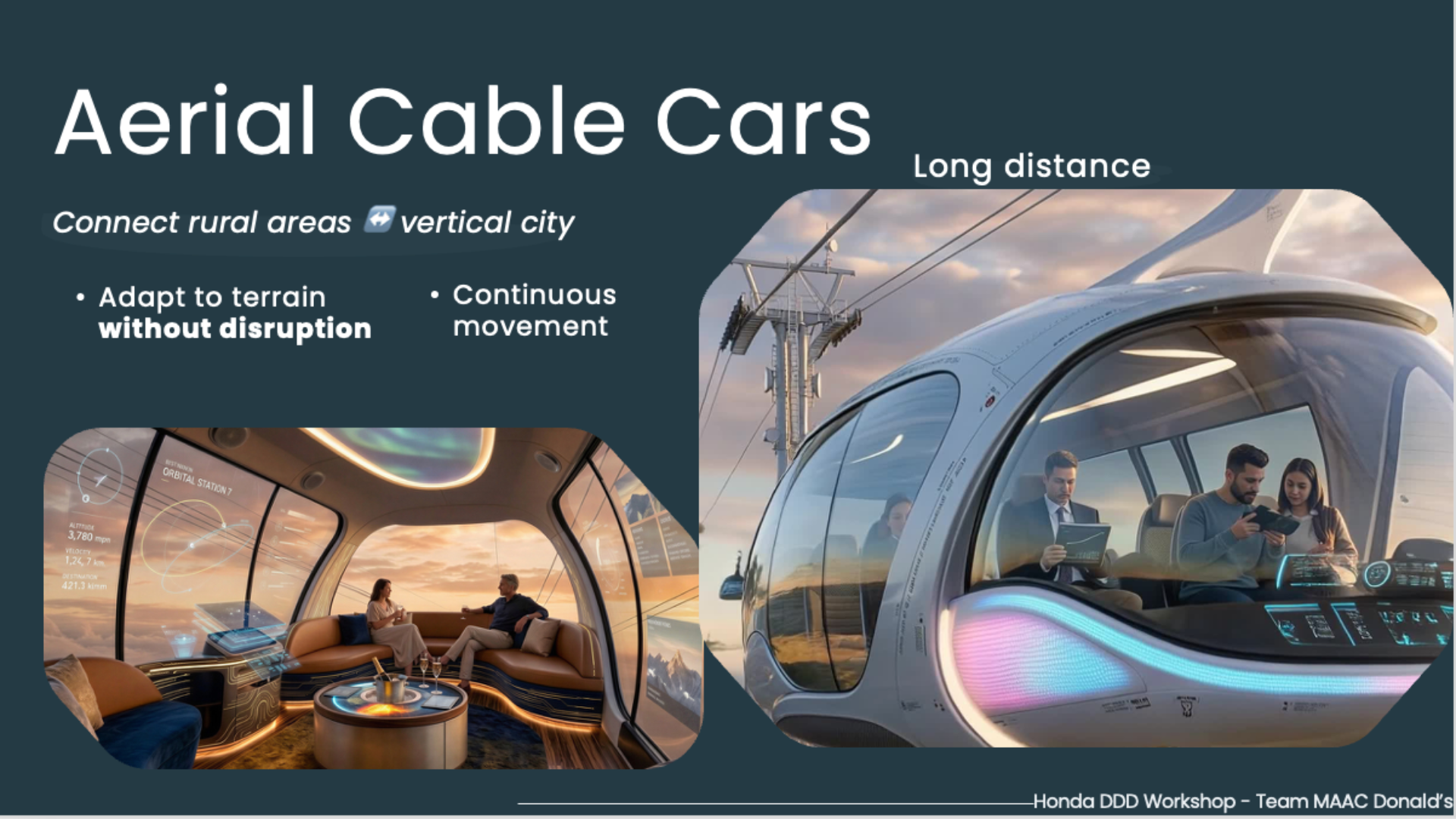
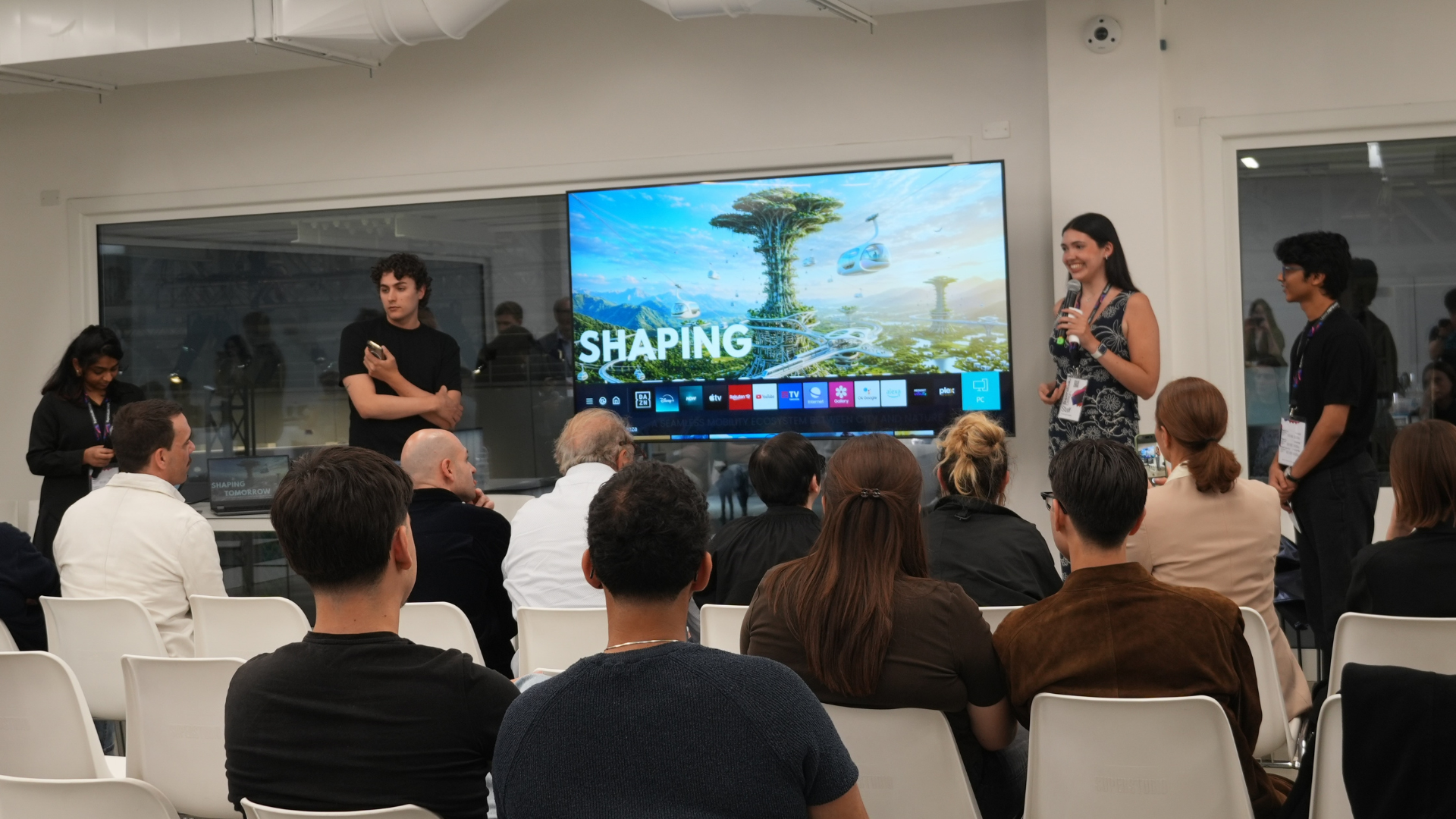
Mayank Shrikant Shete: I’m most proud of the win, and equally of the team effort that made it possible. We identified a real, urgent problem — land scarcity and the unsustainable horizontal spread of cities — and responded with a bold spatial solution: the vertical city. Concentrating everything — infrastructure, mobility, living, resources — into a vertical ecosystem that is efficient, compact, and far easier to maintain. It’s a concept that challenges the default assumptions of urban planning, and I’m proud that we had the courage to go there.
Alessandro Siena: Calm and perseverance.
How important were storytelling or emotion in the development of your concept?
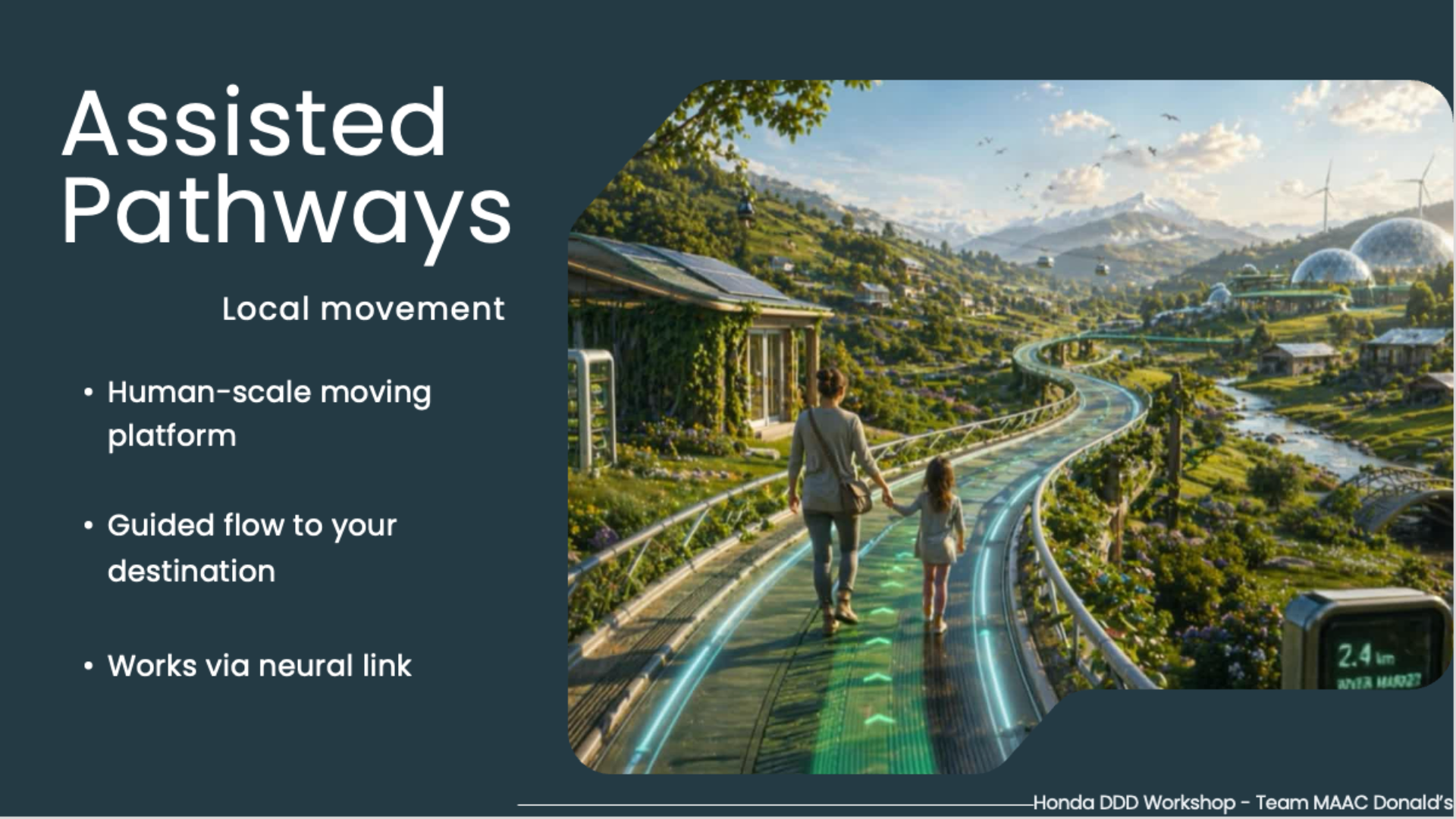
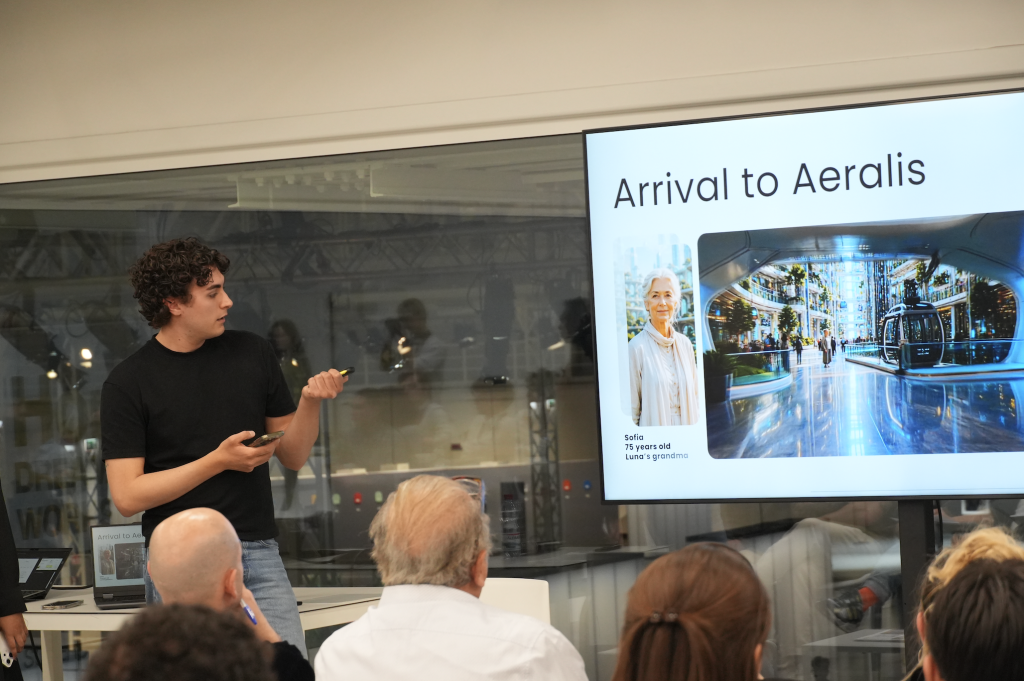
Cristina Mata Forner: Storytelling and emotion were at the center of our concept from the very beginning. We decided early on that we wanted the future we were imagining to be better than our present, a utopia, because that should be our goal of design. Our project followed the story of Luna, a girl from a rural suburb visiting her grandmother in the city. It was important for us that this experience felt seamless and emotionally meaningful. We wanted our design to simplify people’s lives while also bringing them closer together. Basically it was vital for us to design for the people.
Abisha Sara: Storytelling was very important in our concept because it connected the technology, nature, and the idea of a brighter future together. The emotional story helped make the experience feel more meaningful and showed how technology and mobility can exist in harmony with nature.
Mayank Shrikant Shete: They were absolutely central. A concept as radical as a vertical city could easily feel cold or dystopian if not communicated with the right emotional framing. We had to make people feel the problem — the anxiety of disappearing green space, the inefficiency of sprawl — before they could embrace the solution. Storytelling was the bridge between a design idea and a human truth.
Alessandro Siena: They helped us create a story around Arealis, thus giving life to the entire project.
What does winning the workshop mean to you personally and professionally?
Cristina Mata: Winning the workshop means a lot to me both personally and professionally. I was lucky enough to be chosen as the leader of my team, which taught me a great deal about decision-making and guiding a creative process. It has already influenced how I approach other projects now. Beyond that, I feel incredibly proud of both myself and my team. When I think about the workshop, a genuine smile comes to my face; I learned a lot about myself and the future I want to create with my designs moving forward.
Abisha Sara: Winning the workshop truly feels like a dream come true for me. Personally, it is a very emotional and unforgettable moment because it made me feel that my passion, creativity, and hard work were recognized. Professionally, it gave me confidence to believe in myself more and motivated me to keep pushing towards my dream
Mayank Shrikant Shente: Personally, it’s a validation of the instinct to push beyond the obvious. Professionally, it signals that the way my generation is thinking about the future of mobility and cities is not only relevant — it’s valuable. Winning also came with the knowledge that Honda saw merit in our vision, and that kind of industry recognition early in a career carries real weight.
Alessandro Siena: On a personal level, it was very satisfying because we were all interacting with people who are experts in the sector, while on a professional level, we will only discover in the future what doors and opportunities it will open.
What’s your dream career?
Cristina Mata: My dream career falls somewhere in motorsport design and the design of other forms of innovative transportation.
Abisha Sara: My dream career is to become a designer who makes dreams come true — creating designs that inspire people, connect emotions with technology, and leave a positive impact on the future.
Mayank Shrikant Shete: My dream is to be at the forefront of future mobility design — working with a forward-thinking brand or studio where I can contribute to shaping how people and cities move, live, and coexist. Ideally, in a role where design strategy, innovation, and storytelling all converge. This workshop gave me a vivid glimpse of what that could look like, and it only deepened my ambition to get there.
Alessandro Siena: I’m still trying to figure out my dream career, but design will definitely be a part of it.
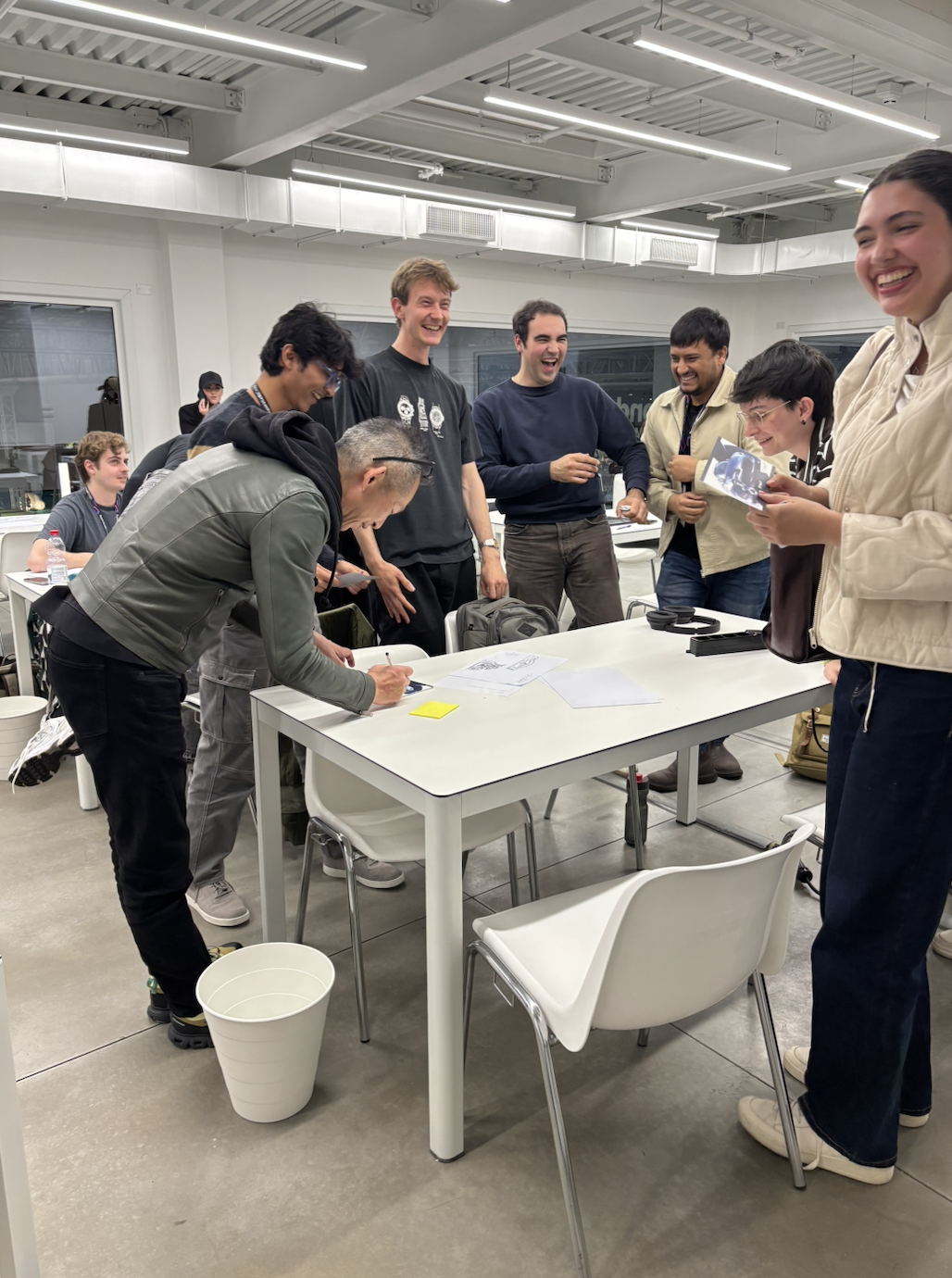
We would also like to thank and acknowledge the members of the Final Jury, whose expertise and thoughtful feedback played an important role in evaluating the projects and supporting the participating students: Andrea Boragno, Strategist and former CEO of Alcantara S.p.A.; Royce Epstein, Senior Director of Design Insights at Mohawk Group; Jens Fager, Founder and Designer of Jens Fager AB; Daniel Germani, Founder and Creative Director of Daniel Germani Studio; and Leonardo Talarico, Designer and Creative Director.