
Julia Debord-Dany
About the Resident
French Resident
April 15 – June 15, 2025
Designer and Visual Artist
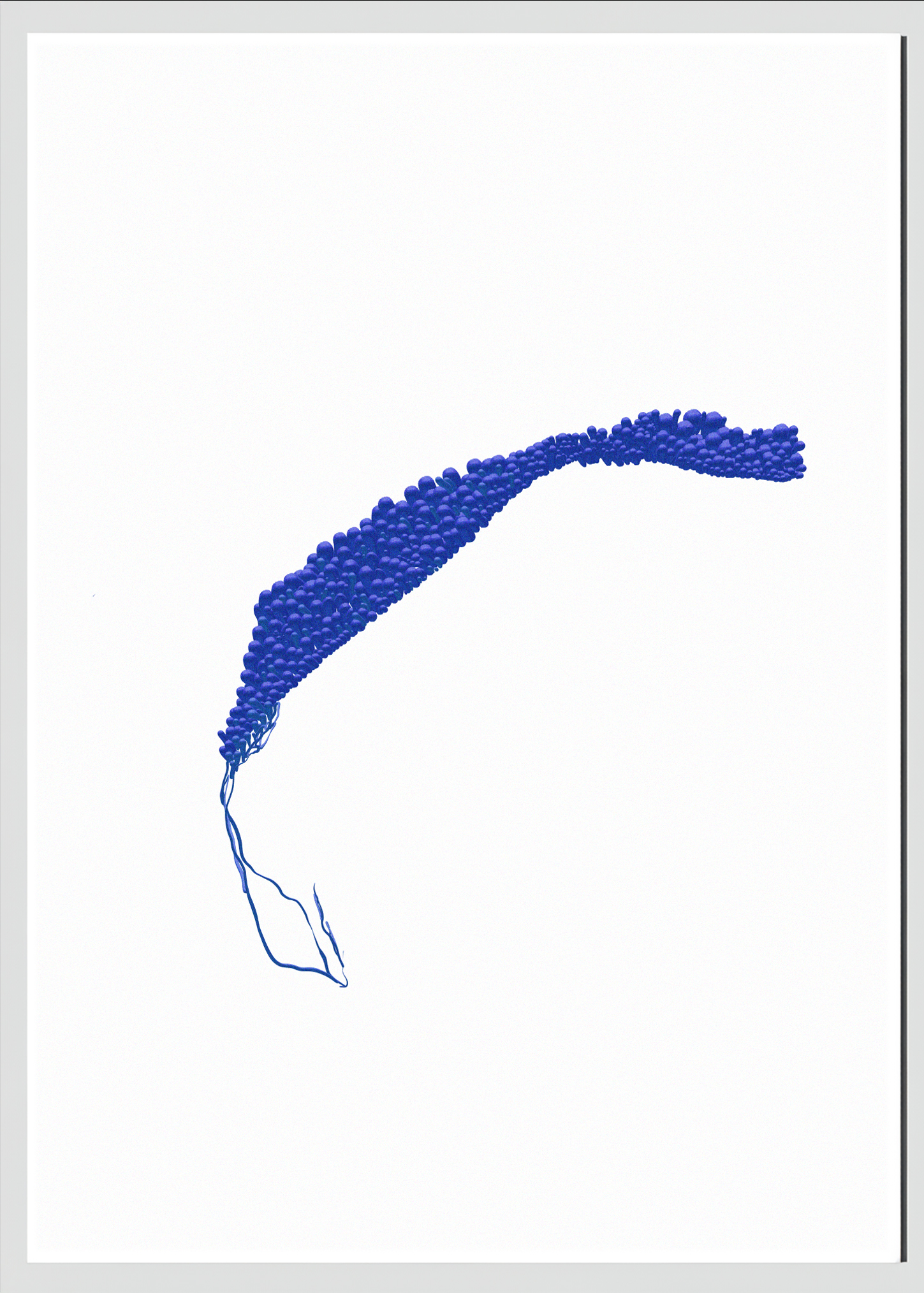
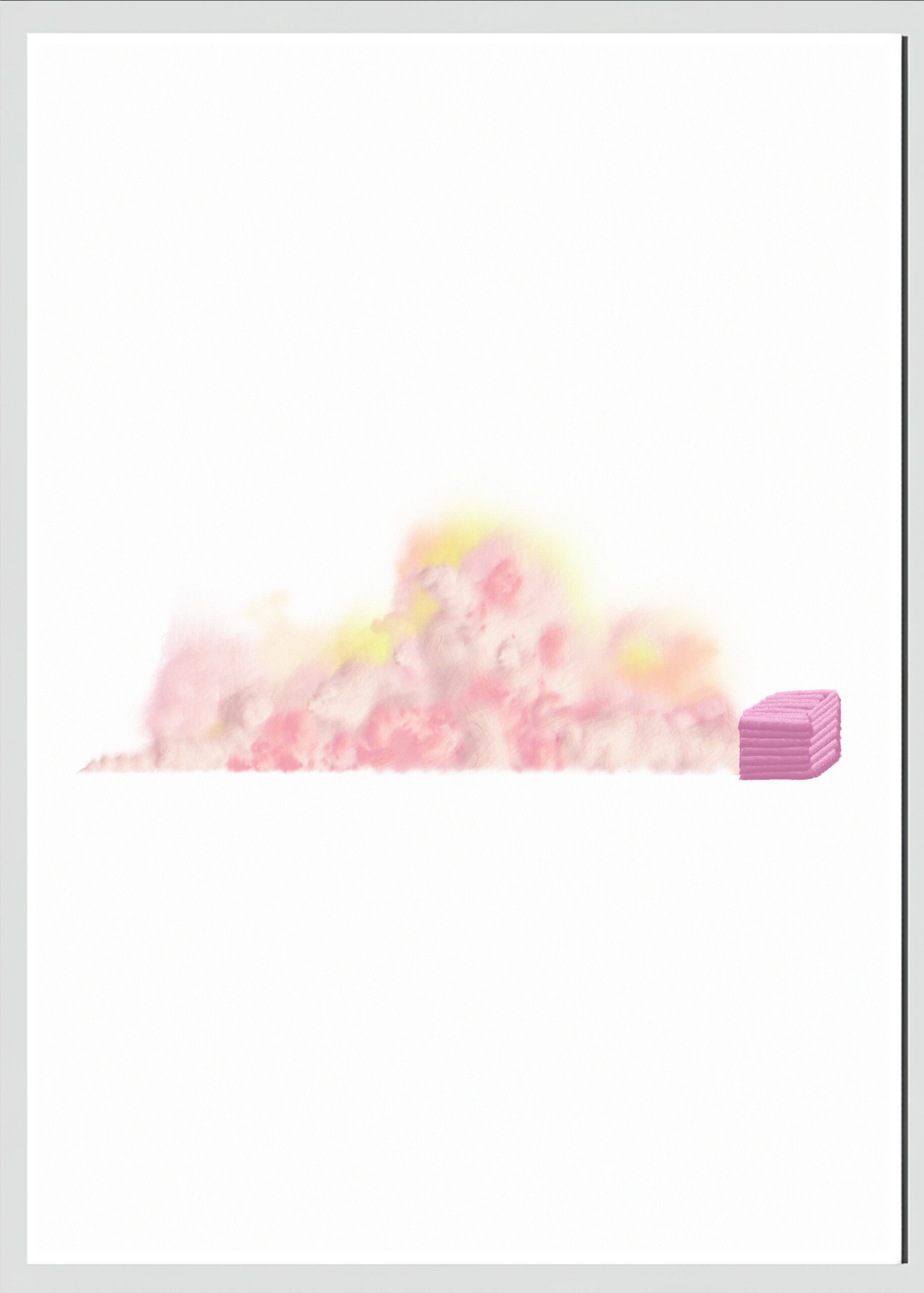
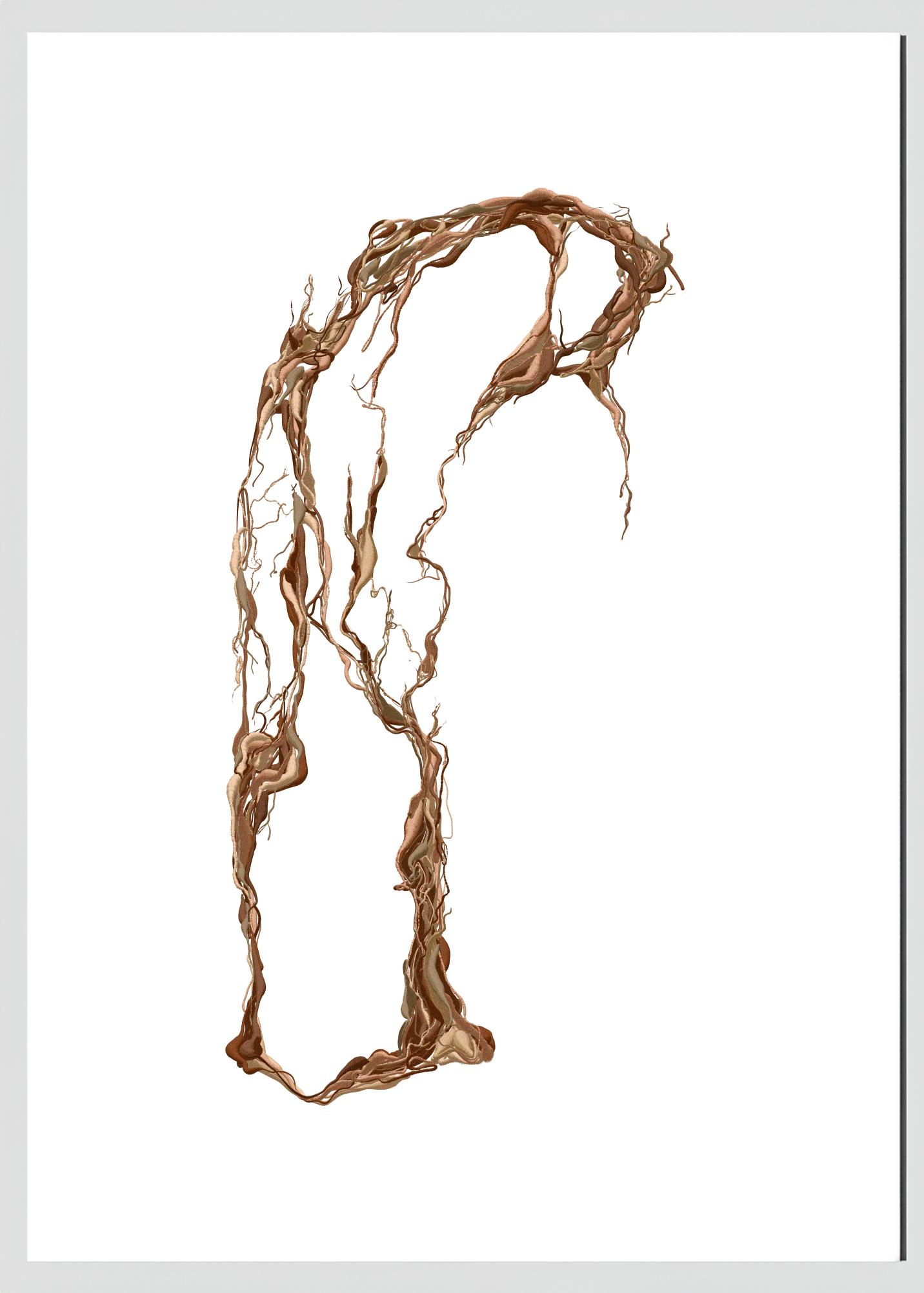
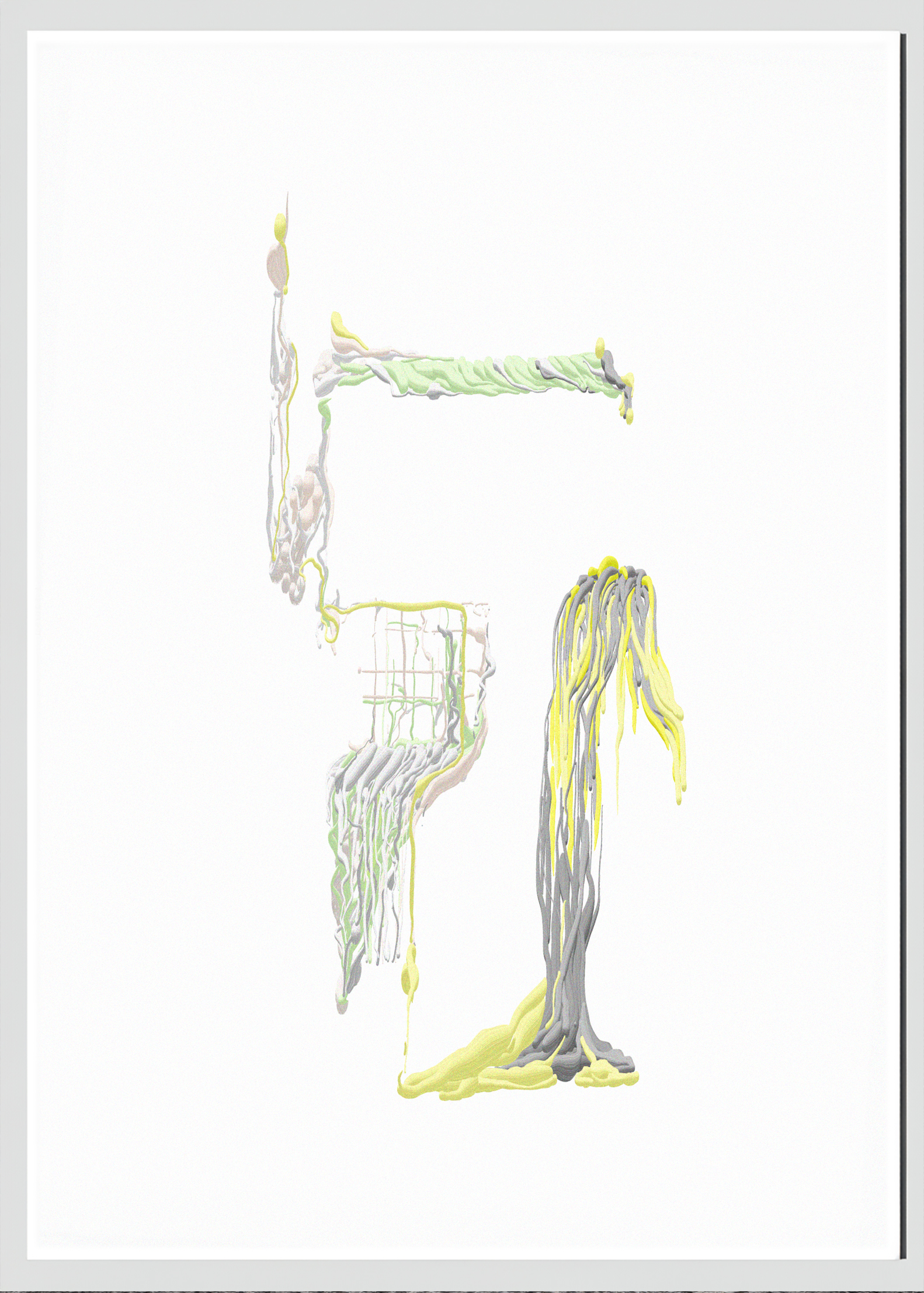
Design Resident Julia Debord-Dany is a designer and visual artist based in Saint-Étienne who explores the remnants of human presence and the resilience of nature. With a master’s in object design from ESADSE (2019), her work examines the interplay between artificial structures and natural processes, inspiring new materials and symbiotic design methods.
Her poetic approach to materiality has been showcased at the XII Saint-Étienne Design Biennial, Poggi Gallery (Paris), and LM Studio (Hyères). Julia has also participated in residencies in Hyères (2023) and Cambodia (2024).
As part of Villa Albertine residency program, with the support of Bettencourt Schueller Foundation
Residency Project
In her practice, Julia often works with traditional furniture materials such as polyurethane foam, metal, wood, and silicone. However, she believes there are countless alternative materials—often more environmentally appropriate and specific to each region—that remain underexplored. This belief forms the foundation of her residency in New York.
Her approach is rooted in materiality, which serves as both the starting point of her work and the focus of this research. Through a documentary and investigative lens, she aims to map New York’s material landscape based on two guiding themes: what remains and what grows.
What remains refers to waste management and material reuse in New York—identifying resources and meeting the people transforming them at different scales.
What grows highlights new ideas and initiatives—from universities to labs, factories to studios—that reimagine materials.
Throughout this journey, Julia seeks to exchange perspectives on the intimate and sometimes emotional relationships people have with materials. She hopes to discover and understand substances deeply rooted in specific historical and human contexts—ultimately celebrating creativity and adaptability in the face of today’s environmental challenges.
Her goal is to build lasting relationships, enrich her own practice, and potentially initiate new collaborations. Upon returning to France, she plans to share her findings in the form of a publication.
Julia’s Experience
In what ways did New York’s material culture challenge orvalidate your views on sustainable design?
JDD: New York challenged me, because sustainability is still emerging as a design concern here. It’s being discussed more and more, but remains unevenly integrated. What struck me is how limited access to materials, and a lack of transparency about their composition, often prevents designers from making truly informed choices. I realized that even the most committed artists have only partial control over what they can source and use. This doesn’t mean we should give up, but it reinforces my belief that sustainable design starts with knowledge, dialogue, and long-term thinking. Designing well means thinking not only about how an object is produced, but also how it will end. I truly hope that, one day, sustainability will no longer be a question or a choice, but an essential, non-negotiable part of every design practice.
Are you planning to develop a publication or collection based on this residency experience?
JDD: Yes, I’m working on an artist’s edition that brings together the key themes of the residency. The interviews I recorded were so rich that I’d like to continue those conversations with other artists and document them in a publication. It will be aimed at creatives and researchers working at the intersection of materiality, design, and artistic practice.
What would you say to another designer considering asimilar research-based residency in New York?
JDD: Go for it! Come with a strong sense of curiosity, but stayflexible. Keep your goals in mind, but allow yourselfto besurprised. New York is full of unexpected insights if you’reopen to them.
How did your visits influence your creative thinking or practice?
JDD: A key idea that kept coming up in the conversations I had was the role of constraints. In creative work, constraints are not obstacles — they are frameworks that guide our decisions, both technical and aesthetic. Discussing this with other artists made me realize how the constraints we choose — in materials, tools, ethics — often define our values and our visual language. They shape our creative identity. I’ve come back with a clearer sense of my own.